


Turmeric and irritable bowel syndrome
Do you suffer from irritable bowel syndrome? Have you tried everything and been unable to manage it with any medication? We want to help you with a much healthier alternative!
First, let’s talk a little about this syndrome. Irritable bowel syndrome (IBS) is a digestive tract disorder that causes recurrent abdominal pain and changes in bowel habits, bloating, and alternating constipation and diarrhea. What causes this? It may be attributed to environmental factors or diet. It can also occur after a bacterial or parasitic intestinal infection (giardiasis). This is called post-infectious IBS. Other triggers may also be involved, including stress.
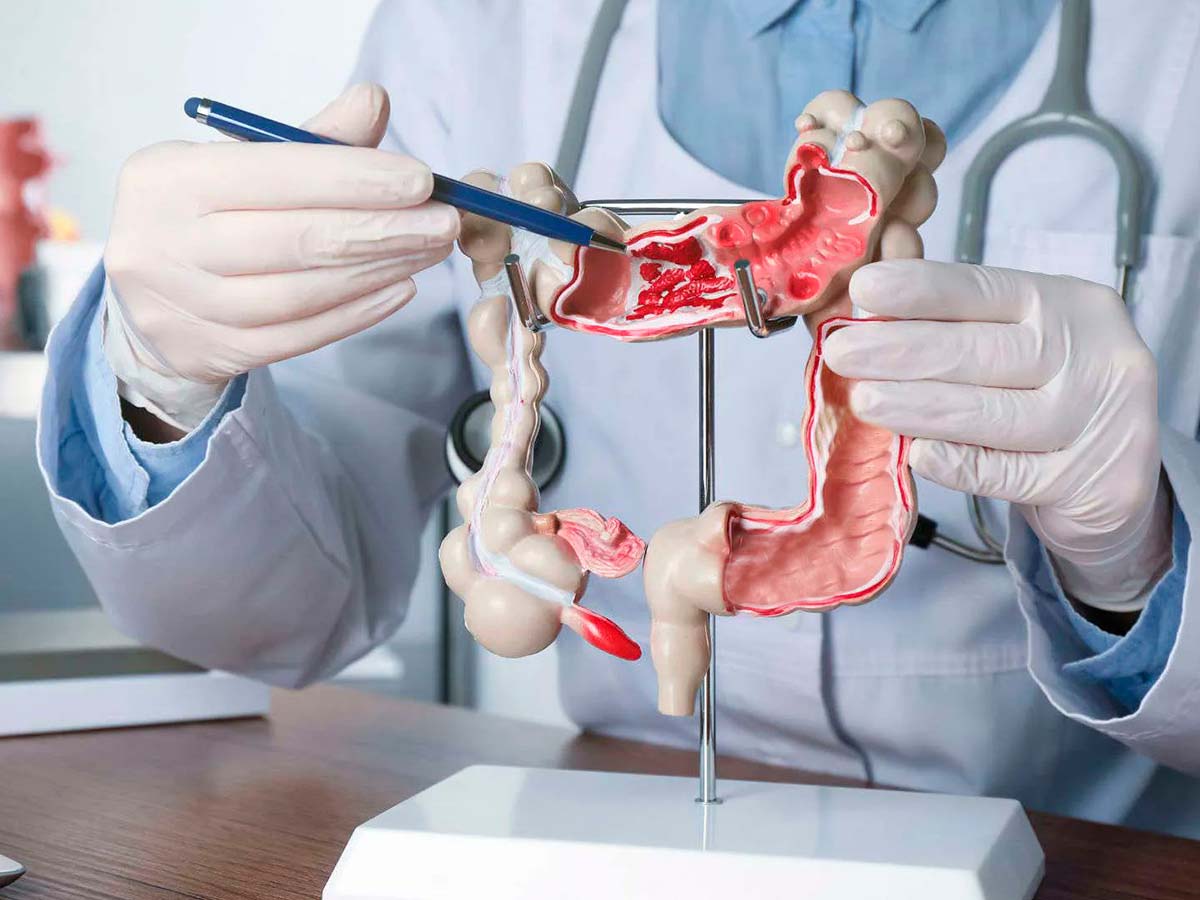
The real cause is unknown, but it is an inflammation that affects bowel function.
In everyday life, stress can be your constant companion. Research has shown that the neurotransmitter serotonin may play an important role in IBS symptoms by altering the function of nerve cells in the intestine and causing changes in pain sensation and bowel function.
Serotonin is an important signaling molecule, and a lack of serotonin may be responsible for IBS.
95% of the serotonin in your body is found in your gut. Once released, serotonin binds to receptors on the nerve endings in the intestinal wall.

Here is a specific list of factors that can trigger attacks:
- An infectious episode of gastroenteritis can lead to persistent IBS long after the bacteria have been eradicated.
- Reduced absorption of the sugar lactose, found in dairy products and processed foods, is the most common dietary trigger.
- Diets low in fiber can worsen IBS-related constipation.
- Anxiety or stress can affect the nerves in the intestine.
- The side effects of certain types of medication can cause constipation or diarrhea.
How can I tell if this is what I have? Here are some symptoms:
- Weight loss.
- Blood or mucus in the stool.
- Bowel problems that first appear after age 50.
- Family history of bowel problems.
- Diarrhea lasting more than six weeks.
- Anemia.

Treatment for irritable bowel syndrome
Although there is no cure for irritable bowel syndrome, there are treatments that can help reduce symptoms—or even help prevent them before they start. Treatment is based on making changes to your lifestyle, including your diet and psychological well-being. As we mentioned earlier, your mood is closely linked to your stomach.
We recommend adding turmeric to your routine. It acts as a natural anti-inflammatory to fight inflammation in the intestines and is also a powerful antioxidant. Some positive findings suggest that turmeric may help reduce IBS symptoms.
A study published last year found that natural turmeric extract helps support mood and gut health, including helping relieve IBS symptoms.

And that’s not all: turmeric has also been associated with benefits for other digestive disorders, including ulcerative colitis, a chronic condition that causes diarrhea and abdominal pain. So, maintaining digestive health with turmeric and curcumin is certainly a positive step toward relief.
Finding good-quality turmeric can be difficult for some people. You may come across adulterated turmeric, as some markets add curry or flour to stretch this spice. You may also find spice from India, and naturally you might think this is the best you can find. But studies have shown that it contains lead and mercury, due to large-scale production on contaminated, depleted soils.
So, what should you do in this case? First, make sure you know where the turmeric you buy comes from and that it is natural and 100% organic.
Venezuelan turmeric is 9,000 times more concentrated than any other turmeric in the world, even better than turmeric produced in neighboring countries such as Colombia and Peru, as well as the popular turmeric from India.
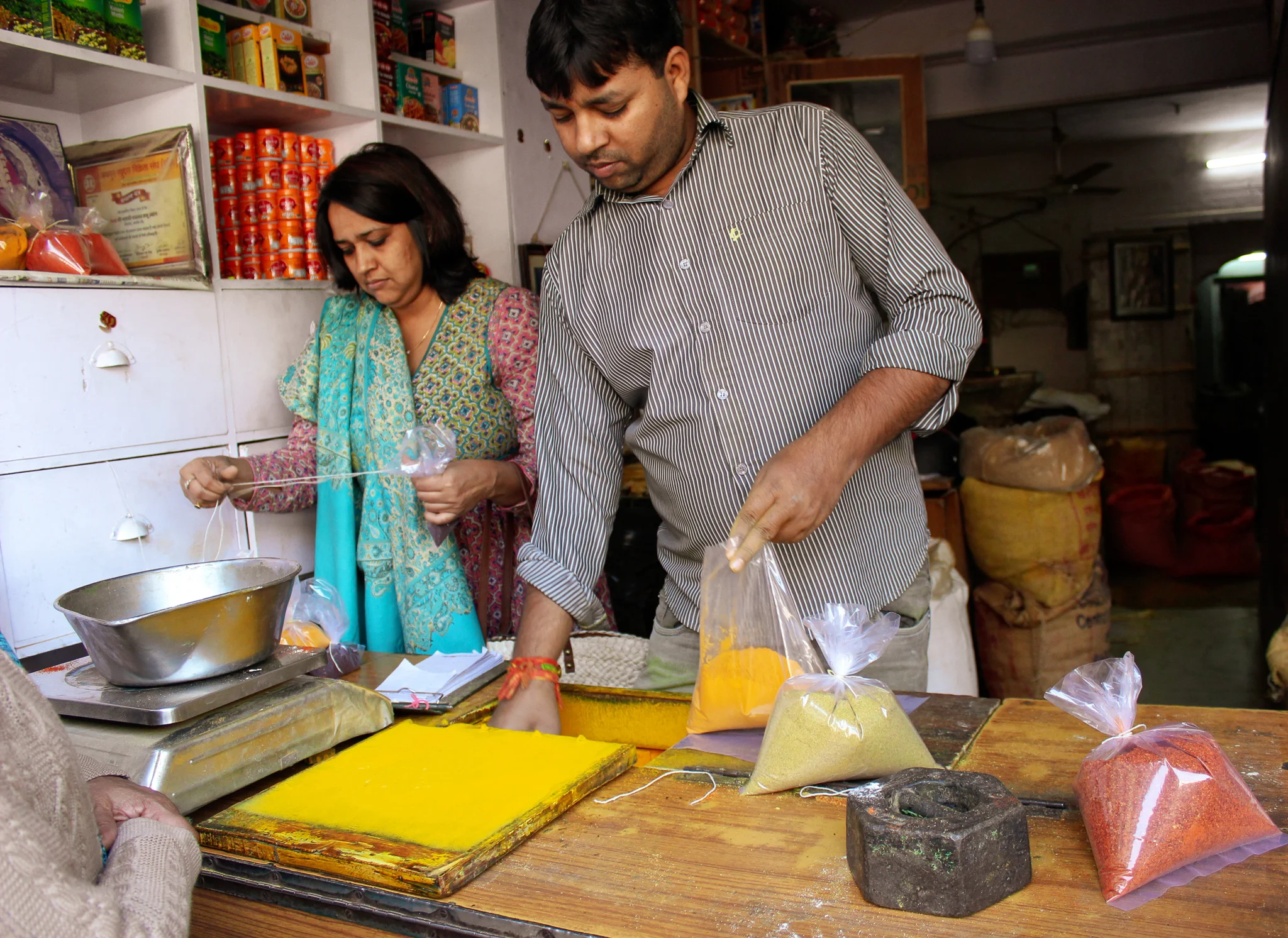
On the other hand, it is difficult to get the benefits of the turmeric in your pantry because the body absorbs it very poorly. That’s why, ideally, you should take turmeric extract enriched with black pepper extract (bioperine). Taking turmeric with black pepper gives your body the amount of curcumin it needs to benefit from its effects.
The Magical Turmeric Tea ™ (Magical Turmeric Tea in Spanish) is a one-of-a-kind product made with therapeutic-grade turmeric and specially formulated to increase the bioavailability of curcumin in the body. It contains no preservatives, chemicals, or artificial additives. Our Magical Turmeric Tea is completely different from the regular turmeric you find at the grocery store or supermarket: it’s a premium blend made from 100% natural organic turmeric grown on our own land in Venezuela, combined with ginger, black pepper (bioperine), and stevia.

Are you someone who can’t tolerate its taste? Of course, the taste of our magical turmeric is new to some palates, since we’re generally not used to turmeric’s strong, earthy notes. Just as its effect on health is powerful, its flavor is powerful too. You can adapt the flavor to your taste by adding your favorite fruit or a spice (for example: honey, lemon, orange, pineapple, or mint). If you still can’t tolerate it but want to benefit from its properties, we recommend our Magical Turmeric Pills, the magic of our tea in capsule form. They’re ideal to take with you to the office, the gym, meetings, or when you travel. Recommended dose: 6 capsules a day, divided into two doses. You can take 3 capsules in the morning and 3 in the afternoon, or, if you prefer a cup of tea, the dose is 2 cups of Magical Turmeric Tea per day.

We also recommend consuming probiotics, also known as fermented foods. Probiotics contain beneficial bacteria and yeasts and are found in some yogurts. There is some scientific evidence that certain strains may help with IBS symptoms. One of the main roles of probiotics is to restore balance to the gut flora, which can lead to:
- Better digestion of food.
- Less gas, heartburn, and indigestion.
- A stronger immune system.
- Less inflammation.
- Reduces constipation.
- Fewer food allergies.
- Prevention of digestive diseases and colon cancer.
- Protects your cardiovascular health.
- A better mood and outlook, and ultimately, we feel happier.
- Overall well-being.
You can learn more about this topic on our blog, “Probiotics: Fermented Foods”.
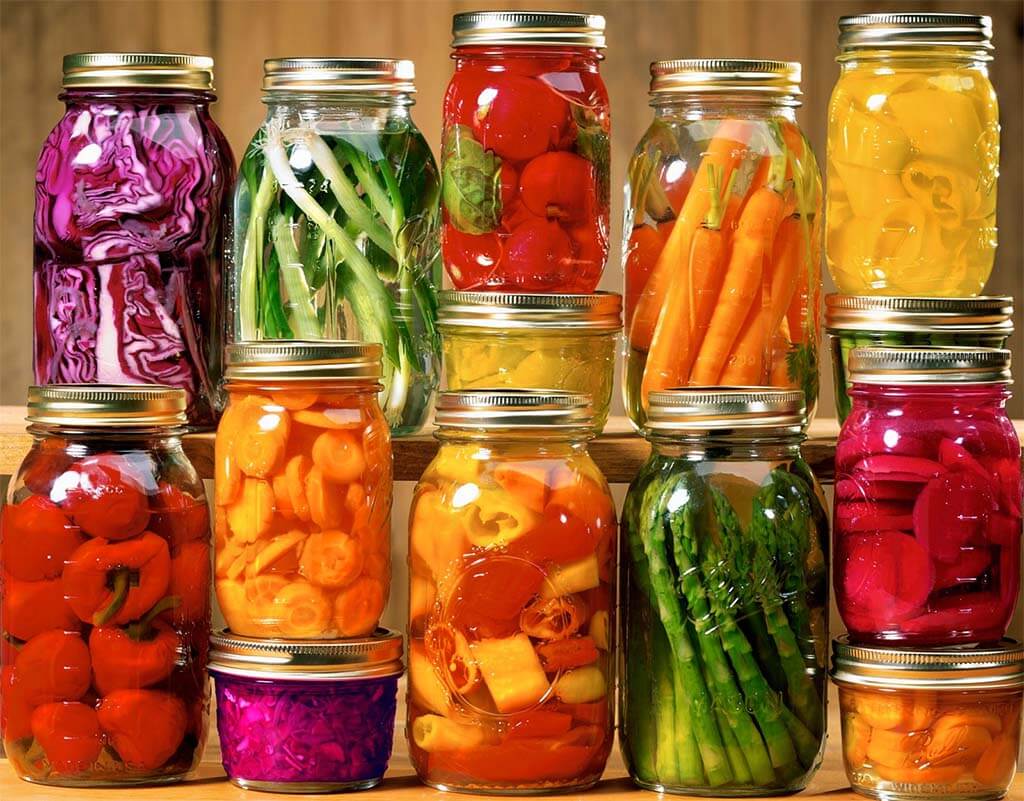
The idea is to identify and avoid triggers. Your colon may be too sensitive to even the slightest disruption in your digestive system. Dietary changes can often relieve IBS symptoms. If you are constipated, eat more soluble fiber, and if you have diarrhea, reduce insoluble fiber. Avoid gluten, caffeine, alcohol, spicy foods, and high-fat foods.
Increase dietary fiber, drink plenty of fluids, cut back on gas-producing foods, and eliminate dairy.

Taking turmeric daily can provide surprising benefits for your overall health when combined with a diet low in inflammatory foods and regular exercise.


1 comment
Me ayudó mucho la información, saludos
Sandra Monteagudo
Leave a comment
This site is protected by hCaptcha and the hCaptcha Privacy Policy and Terms of Service apply.