

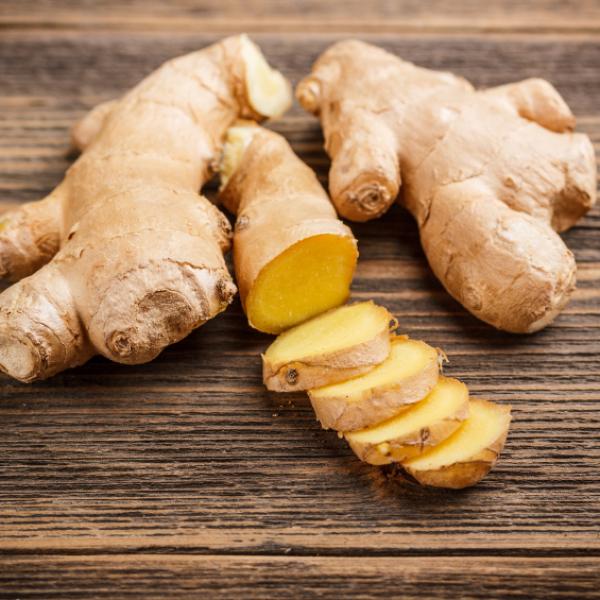
Does consuming ginger raise blood pressure?
Ginger is a root widely used in cooking and known for its medicinal properties. It has sparked some controversy regarding its effect on blood pressure. In the world of health and nutrition, myths and popular beliefs abound, which can lead us to wonder: Does ginger raise blood pressure? It is important to address this question using an evidence-based approach and untangle the facts behind the relationship between ginger consumption and blood pressure. Join us in this article as we take a detailed look at ginger's impact on the body and find out whether it can really affect blood pressure levels.

Ginger vs. Ginkgo Biloba
The confusion and debate surrounding ginger’s impact on blood pressure have led to countless questions and mistaken conclusions. One of the main causes of this confusion is the phonetic similarity between “ginger” and “ginkgo biloba.” This similarity has led some people to believe that consuming ginger can negatively affect blood pressure, when in fact, this is not true.
Ginger is an age-old root prized both in cooking and traditional medicine, and it has no significant effect on blood pressure levels. However, it is important to note that ginkgo biloba, a completely different plant, can affect the blood pressure of some people.
Ginkgo biloba plant.

Ginger does not affect your blood pressure
Ginger is an aromatic root used in cooking and traditional medicine because of its antioxidant and anti-inflammatory properties. Although its impact on health has been extensively studied, there is no conclusive scientific evidence showing that consuming ginger raises or significantly affects blood pressure. Therefore, those who enjoy ginger’s flavor and benefits can rest assured that they don’t have to worry about its effect on their blood pressure.
People have used it for centuries to improve many aspects of heart health, including circulation, cholesterol levels, and blood pressure. This is one of the most common risk factors for heart disease and develops silently. In addition, it is often diagnosed only once it has reached an advanced stage.

A study of more than 4,000 people found that those who consumed more ginger (2 to 4 grams per day) had the lowest risk of developing high blood pressure. Another study published by PubMed also found that ginger supplementation has beneficial effects on blood pressure. Ginger is valued in natural medicine for its interesting properties. In other words, consuming it may actually be beneficial.
According to a publication in the medical journal Planta Medica, ginger’s main benefits for combating hypertension and high cholesterol are attributed to an active compound known as gingerol. It is also a natural anti-inflammatory. This is great for circulation problems.
Additionally, a publication by the National Center for Biotechnology Information notes that ginger helps reduce the risk of cardiovascular events because, in addition to being anti-inflammatory, it has antioxidant, antiplatelet, hypotensive , and hypolipidemic effects.

Ginkgo Biloba: The real cause for caution
On the other hand, ginkgo biloba is an ancient tree native to China that has been used in traditional medicine for centuries. Ginkgo biloba leaves contain active compounds that may affect blood circulation and blood pressure. In fact, some studies have suggested that ginkgo biloba extract may have a mild hypotensive effect, meaning it may slightly lower blood pressure in some people.
However, it is important to note that using ginkgo biloba for medicinal purposes should be supervised by a healthcare professional, as it may interact with other medications and cause side effects.
In summary, confusion between ginger and ginkgo biloba has led to the mistaken belief that ginger can affect blood pressure. However, it is important to note that ginger does not have a significant effect on blood pressure levels. Ginkgo biloba, on the other hand, is a completely different plant that may have a hypotensive effect in some people, so its use should be properly supervised and monitored.
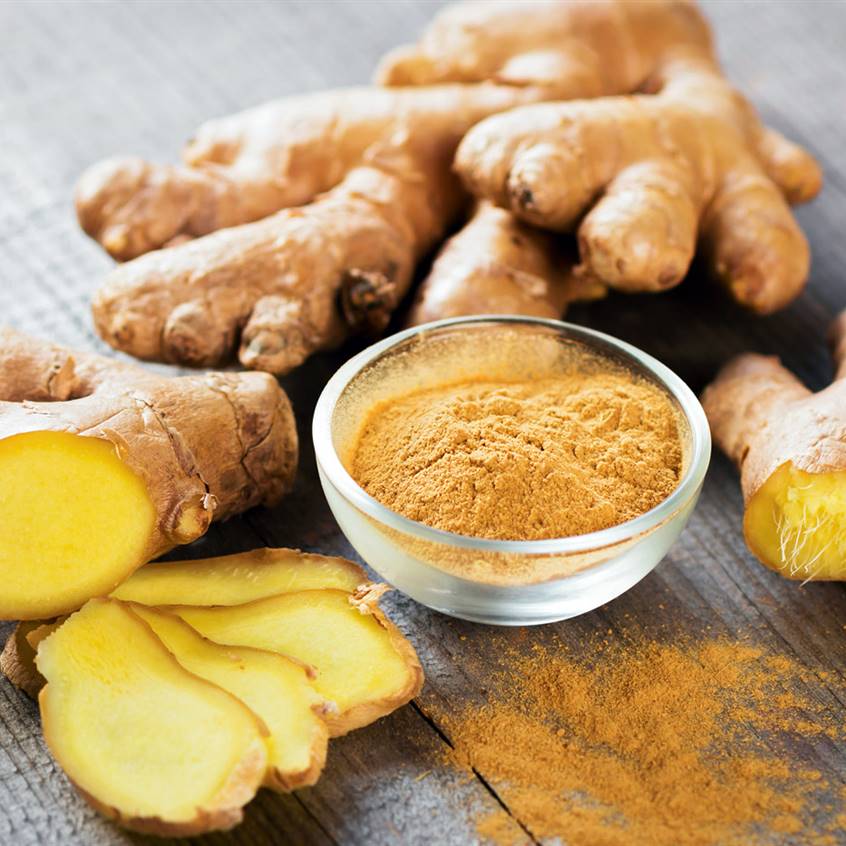
How to maximize the benefits of ginger
Combining ginger with other spices that benefit your circulatory health is even better. For example, turmeric and black pepper.
Studies involving 67 patients found that consuming curcuminoids (turmeric) reduced inflammatory cytokines and oxidative stress. In other words, its powerful antioxidants and anti-inflammatory effect may restore endothelial balance and stabilize blood pressure.
It is also an excellent blood thinner that protects, controls, and lowers blood pressure when readings are elevated. Its properties can promote blood circulation and reduce the risk of hypertension. Great, right?

Combining it with black pepper helps the body absorb curcuminoids, the molecules that work their magic in the body. Ayurvedic medicine and other traditional medicines have used black pepper as a remedy to improve blood circulation while lowering high blood pressure. Our Magical Turmeric Tea and Magical Turmeric Pills by Jessica Wellness contain this ideal formula; take them every day and you’ll see results in your body right away.

How should you consume turmeric to get these benefits?
Our recommendation: 2 cups of Magical Turmeric Tea a day, whenever you prefer. You can have one cup in the morning and one in the afternoon. You can also add a teaspoon of the tea directly to drinks such as protein shakes, green juices, etc.
If you’re not a tea drinker, you can choose our Magical Turmeric Pills—the magic of our tea in capsule form. They’re perfect to take with you to the office, gym, meetings, or when traveling. Recommended dose: 6 capsules a day, divided into two doses. You can take 3 capsules in the morning and 3 in the afternoon.

You can also combine both products—the sky’s the limit!



Leave a comment
This site is protected by hCaptcha and the hCaptcha Privacy Policy and Terms of Service apply.