


Beauty and Vanity: A Reflective Exploration
Self-esteem has been described in so many ways that it has become a subject of study. However, psychiatrist Marian Rojas Estapé describes it in one simple phrase: "Self-esteem is the inner voice that speaks to you and describes you to yourself."
In other words, if you want to know how high your self-esteem is, listen to how you talk to yourself, how you describe your actions each day, what you think about your body, your skin, your life, your goals, the way you speak, dress, behave, and so on. Also pay attention to the messages and commands you give yourself in your mind. All of this can give you an idea of what your self-esteem is like; it’s all there, along with all the keys to forming a healthy mental construct about your opinion of yourself.

Enjoying a workout outdoors in Perth, Australia
The relationship between beauty and self-esteem
Psychology has shown a close link between female beauty, self-concept, and development in other areas of life. In other words, a woman who feels beautiful performs better in other areas of her life.
Let’s talk about beauty...
Beauty is entirely subjective; it depends exclusively on a prior mental concept and the subsequent comparison with what we observe. This established prior concept is shaped by two fundamental sources:
- External beliefs.
- My own inner self-definition.
The first is social and does not depend on us as individuals. Rather, it affects us as a group of individuals. However, it will not determine our self-esteem; it is less powerful than the second source, the self-concept we have of ourselves. This one has the power to build either positive, constructive self-esteem or destructive self-esteem.

Why is the concept of beauty we have of ourselves so important? Because it gives you confidence, and confidence is psychologically necessary for taking risks. Taking risks is the fundamental step toward doing something with our lives.
In other words, if you feel good about your self-image, it gives you confidence, and the brain undergoes important neurological changes that help you take action in life and build something, face a challenge, seize the opportunities that come our way, and resolve both internal and external conflicts.
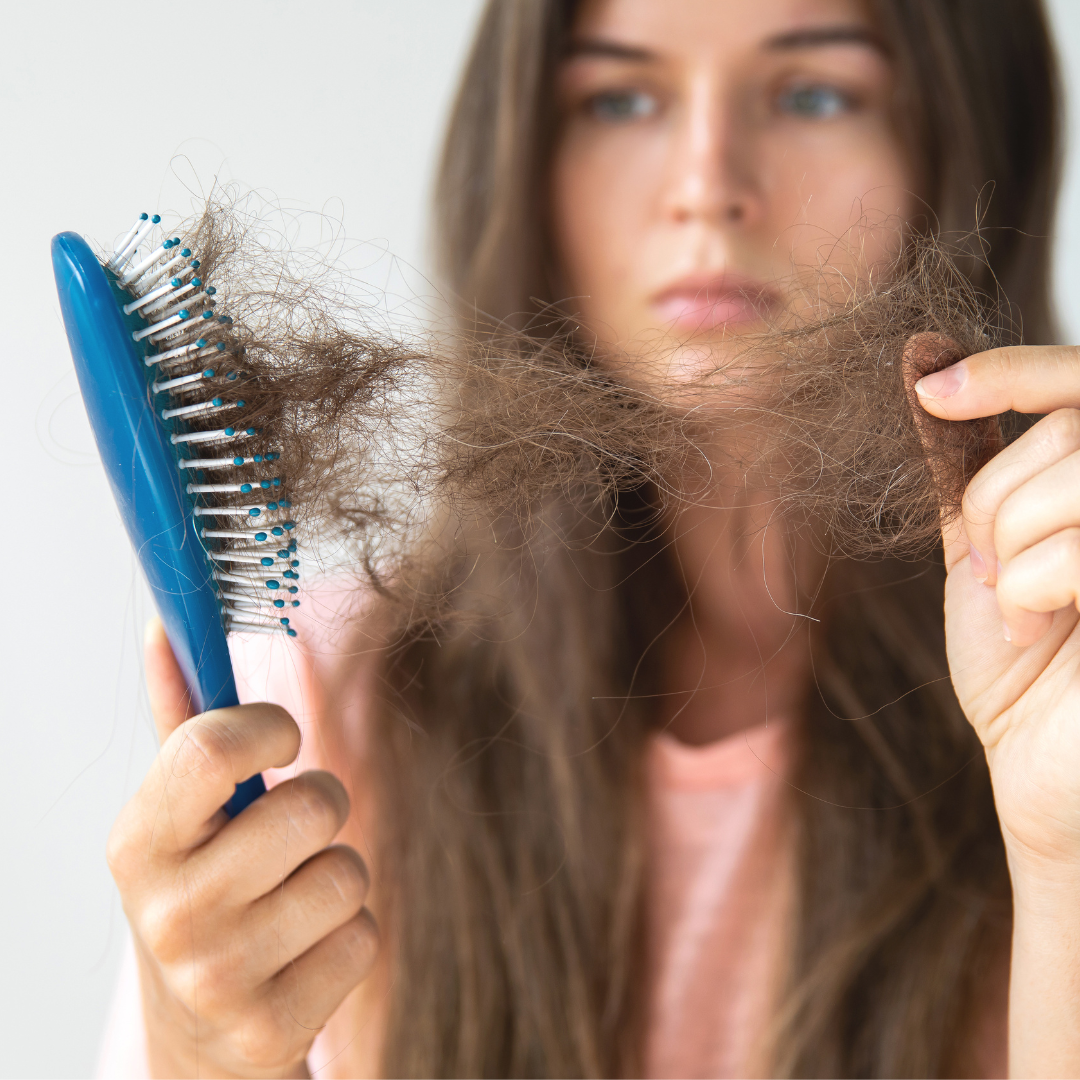
The opposite is insecurity, which creates fear. When there is too much fear, I don’t dare to act, and constant fear weakens the brain and immune system. That fear causes a cortisol overload, which leads to physical and mental damage. Physical damage, and damage to our beauty, which is what concerns us today.
Managing emotions is the key to success and the gateway to personal balance and emotional well-being.
– Marian Rojas Estapé.

Cortisol overload
Let me explain: when we have too much cortisol, the body cannot produce good collagen, our fibroblasts don’t function properly, and this leads to spots, wrinkles, and dull, lackluster skin. This is because when cortisol levels rise, when we experience a sense of threat, the brain assumes that we are in mortal danger and activates the survival system. At that moment, the body wisely decides it doesn’t have enough energy or time to take care of the skin, since it considers this nonessential to keeping us alive.
Therefore, it is important to pay attention to what we consume in terms of nutrients and energy.
The body says: "I don’t need to look pretty or have beautiful skin to fight and run, to save myself from a threatening situation." So it shuts down all the skin’s regenerative systems and begins to store fuel for future battles, in the form of abdominal fat—in other words, the belly starts to grow.
The relationship between emotions and your skin
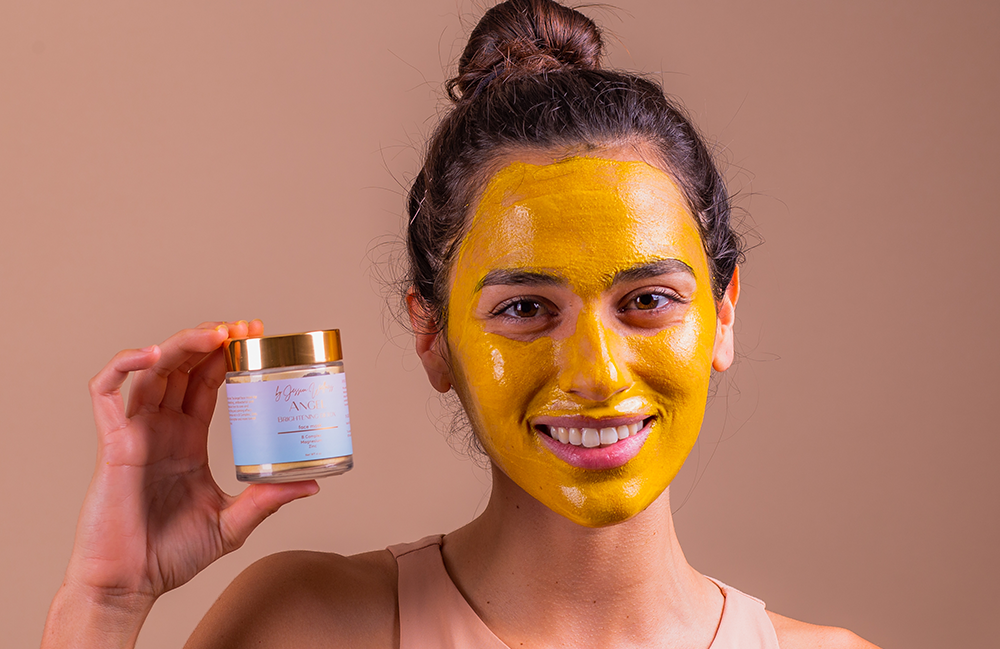
Someone experiencing periods of unhappiness caused by cortisol overload will quickly show signs on their face and skin. They may have dark circles, a haggard appearance, and dull skin tone. Circulation in this area is poor, and fluid retention may occur. This creates a cycle in which you look in the mirror and feel worse. Therefore, when we start taking care of our appearance, we can help improve our self-image and begin to experience more positive moods, which in turn contributes to better self-esteem.
Taking care of our body’s appearance can help build better self-esteem.
– Jessica Wellness

At the end of the day, we spend all day in our bodies. We look in the mirror and observe our hands and skin. We feel that we are inside our bodies in one way or another. We pay attention to how our clothes fit, whether we feel comfortable in them or uncomfortable, and so on.
Our body is our vessel. If we help this physical body be in better shape, our self-esteem can improve, which has a positive effect on other areas of our lives.
When you feel good, your body can perform better. When you look in the mirror, you’ll see a radiant face. As psychology says, "it is the reflection of the soul." You’ll be better equipped to face challenges, seize opportunities, maintain relationships, and handle everything else that life involves. Therefore, self-care, including caring for our skin, especially the skin on our face, is important in every area of life. It’s not just about vanity, but about making the most of the opportunities that come our way.

Written by Jessica Wellness

2 comments
La.sra Jessica ahora cada día más me inspira la admiro mucho y ojalá pueda recomendar más cada día sus productos un abrazo me encantó este post
Arleth Gomez
Me parece muy interesante tu exposición y bastante real creo q nos ocurre a casi todas o todos en un momento determinado con relación a la autoestima!!
Anonymous
Leave a comment
This site is protected by hCaptcha and the hCaptcha Privacy Policy and Terms of Service apply.