Skip to content

Natural routine to care for and soothe rosacea without irritating your skin

Rosacea isn't just "turning red" for no reason. For many people, it is a chronic inflammatory condition that leaves a mark beyond the skin: discomfort, embarrassment, and the frustration of not knowing how to control it. Maybe you already know that feeling: cheeks flushed like a traffic light, visible capillaries, burning, or breakouts that appear without warning. And the inevitable question: Why me?


Truly understanding rosacea is the first step toward managing it with compassion and effectiveness. It isn't an "allergy" or a passing blush. It is a common condition, especially among people aged 30 to 50 and those with fair skin, that doesn't disappear with a magic wand, but can be controlled if you reduce inflammation, strengthen the skin barrier, and learn to identify your triggers (sun, stress, spicy foods, harsh exfoliation).


Keep reading: in this article we will speak to you without drama and with honesty, with user-friendly science and a routine designed for skin with rosacea. The goal is not to punish your skin, but to care for it in a natural, gentle, and consistent way.


In this article we will cover the following points:

  • What is rosacea?
  • Most common causes and triggers
  • Types of rosacea
  • Our routine to soothe and protect it

"Rosacea doesn't just cause skin to flush; it can also trigger emotions. Every day, I hear how that sudden redness can affect a person's sense of security and confidence. That's why I created a different kind of routine: natural, gentle, and effective. Today, it fills me with joy to see how it has worked for hundreds of people, helping them soothe their skin, reduce flare-ups, and feel comfortable in front of the mirror again."


Jessica Lameda – Founder

Title
Title

What is rosacea and why does it occur?

Rosacea is a chronic inflammatory skin condition that usually manifests as persistent redness on the cheeks and nose, visible dilated blood vessels, a burning sensation and, in some cases, breakouts with pustules or lesions that are mistaken for acne. Its triggers are varied: sun exposure, temperature changes, stress, alcohol, spicy foods or harsh skincare products.


Although there is no “definitive cure,” it can be managed and kept under control with a consistent routine that helps soothe inflammation, protect the skin barrier and reduce breakouts.


The causes of rosacea

Rosacea is not simply “sensitive skin”; it is a manifestation of deeper imbalances in the body and external factors that the skin reflects in the form of redness, breakouts, or visible inflammation. It can have multiple triggers that often act at the same time, which is why treating it only from the outside is not enough. Some of the most common are:

  • Chronic inflammation. When there is a persistent inflammatory state in the body, the skin shows it in the form of redness, burning, and sensitivity. This inflammation can originate from stress, diet, or digestive problems.
  • Hormonal imbalances. Hormonal changes related to stages such as perimenopause, pregnancy, or thyroid disorders can increase skin reactivity and trigger rosacea flare-ups.
  • Intestinal dysbiosis. The gut and the skin are deeply connected. An altered gut microbiota can produce toxins that are eliminated through the skin, promoting redness and persistent inflammation.
  • Inflammatory diet. Excess alcohol, spicy food, coffee, sugars, or ultra-processed foods are known triggers of rosacea flare-ups, as they stimulate inflammation and the dilation of blood vessels.
  • Irritating external factors. Exposure to the sun, sudden temperature changes, aggressive exfoliation, or the use of unsuitable products end up weakening the skin's natural barrier, intensifying the symptoms.

Understanding these causes is the first step to managing rosacea from the root, with compassion and truly effective strategies.

Most common types of rosacea

Rosacea does not always look the same in everyone. It can present in different ways and at different levels of severity. These are the most common subtypes:

  • Erythematotelangiectatic rosacea (subtype 1): It is characterized by persistent redness on the cheeks, nose, or forehead, accompanied by visible blood vessels (telangiectasias). The skin may feel hot and sensitive and react easily to external factors.
  • Papulopustular rosacea (subtype 2): In addition to redness, papules and pustules appear, which can be mistaken for acne. Inflammation, burning, and breakouts that worsen with certain triggers such as sun, alcohol, or stress are common.
  • Phymatous rosacea (subtype 3): It is less common and presents with skin thickening, especially on the nose (rhinophyma). The texture becomes more irregular and may be accompanied by enlarged pores.
  • Ocular rosacea (subtype 4): It affects the eyes, causing dryness, a gritty sensation, tearing, or eye redness. Sometimes ocular symptoms appear even before skin symptoms.

Understanding what type of rosacea you have is key to choosing the right care and keeping the condition under control in an effective way that is gentle on your skin. Our routine has proven to deliver results for all types of rosacea, adapting to each need and providing real relief.

My routine to soothe rosacea

As the founder of Jessica Wellness Skincare, I have carefully selected these products to create an effective routine for the care and management of rosacea, based on the real results that have transformed the skin —and confidence— of hundreds of people who were seeking relief after trying multiple options without success.


This routine is not only formulated with high-quality botanical ingredients, but has also been designed to work in synergy, addressing rosacea from its multiple triggers: chronic inflammation, skin sensitivity, barrier weakness, and reactivity to external factors.


Below, I present the step-by-step guide to this routine —designed for use both morning and night— so that you can give your skin the opportunity to calm down, strengthen, and stay balanced consistently and naturally.

Day and Night Routine

Your skin with rosacea faces challenges throughout the day: persistent redness, sensitivity, burning, dilated blood vessels, papulopustular breakouts, and external factors such as the sun, stress, temperature changes, or environmental pollution. That is why this routine is designed to gently cleanse without irritating, soothe inflammation, deeply hydrate, and strengthen the skin barrier from the first step—whether in the morning or at night.


Here I show you the step-by-step process to consistently care for your skin, helping it stay fresh, balanced, less reactive, and keep breakouts under control.

Step by Step – Day and Night Routine

Step 1:

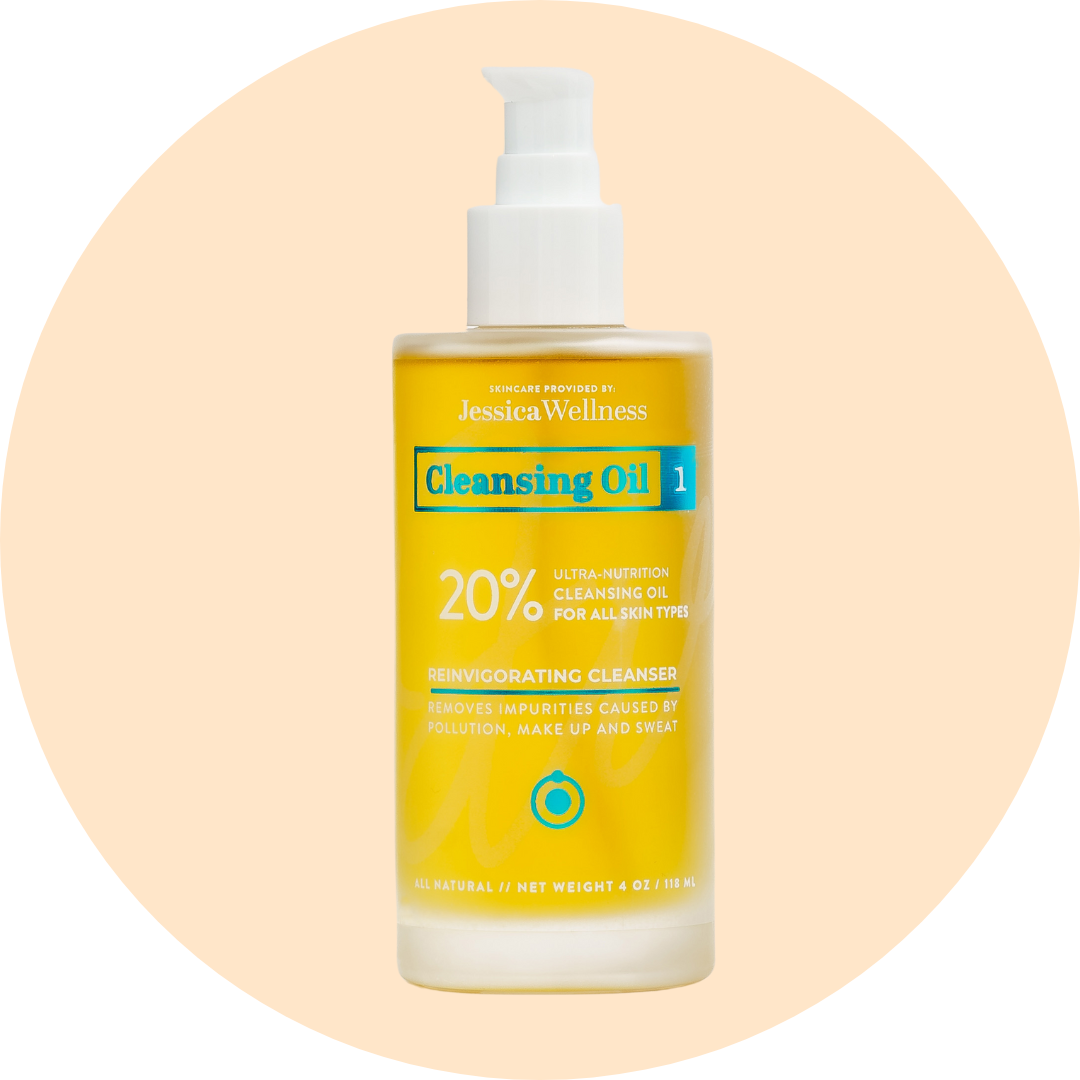
Start by applying the Cleansing Oil 20%. Gently massage over the dry face to dissolve impurities, makeup, and residue accumulated during the day. This cleansing oil is formulated for sensitive skin and skin with rosacea, helping to soothe redness, reduce irritation, and keep the skin barrier protected against breakouts and external reactions.

Step 2:

Continue spraying the Gold Tonic. Close your eyes and apply generously to the face, neck, and décolletage. This tonic helps to soothe, balance, and prepare the skin for subsequent treatments without irritating it.

Step 5:

Apply Magic Pink with gentle massage. This nourishing cream, rich in essential vitamins and soothing botanical actives, helps to reduce redness, repair the skin barrier, and keep the skin hydrated and protected from external factors. Ideal for sensitive skin and skin with rosacea, it provides immediate relief and long-lasting comfort.

Step 6:

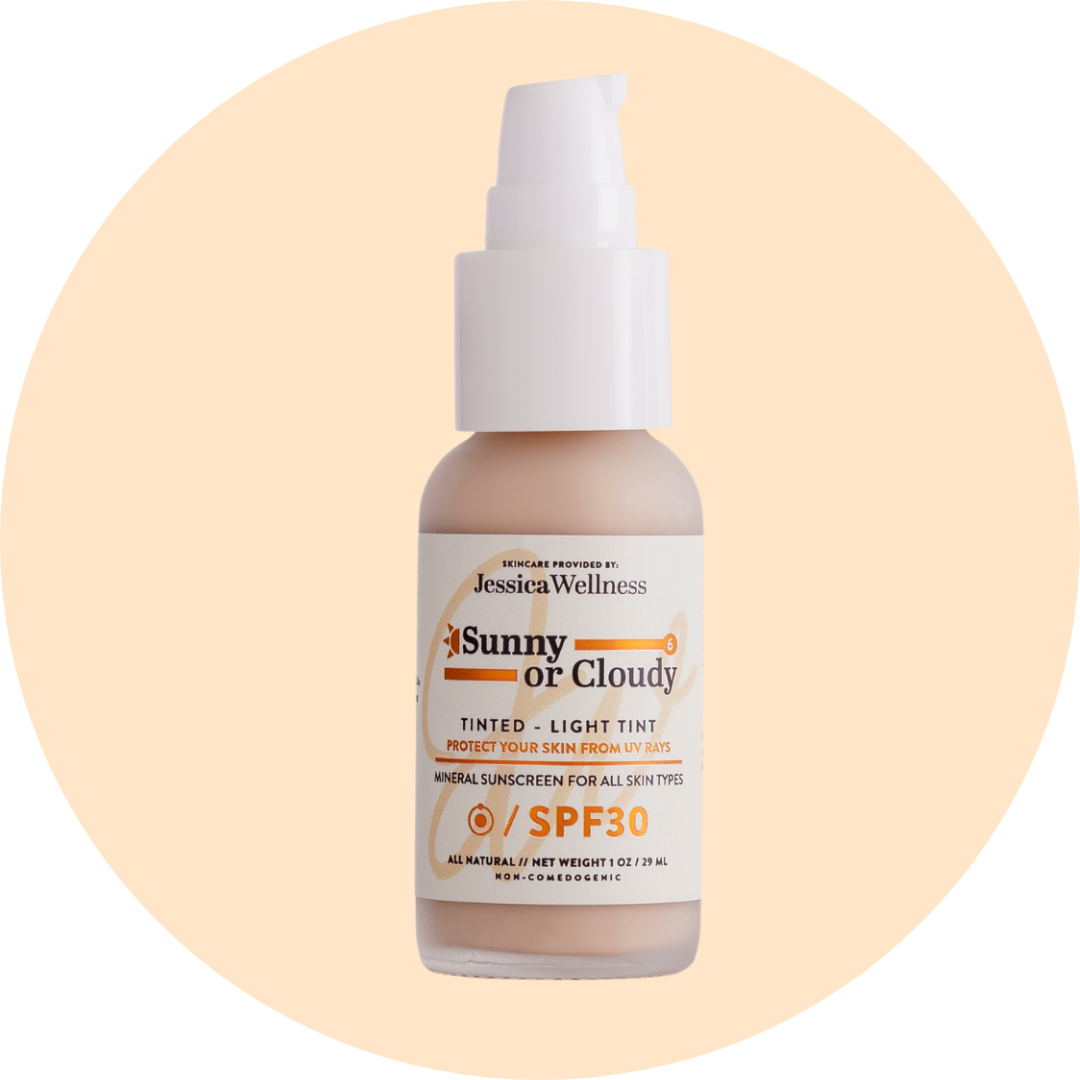
Apply an even layer of Sunny or Cloudy at the end of your morning routine. This mineral sunscreen with soothing botanical ingredients helps to protect sensitive skin from the sun, reduce inflammation, and prevent redness. Its lightweight, non-irritating formula is ideal for skin with rosacea, providing daily coverage and strengthening the skin barrier.

Get the full routine here

LIMITED TIME OFFER

Extra weekly care

Although the products you use daily are essential for caring for and protecting skin with rosacea, there is one step that significantly enhances the results: regular use of a soothing, natural face mask.


Soothing homemade mask (yogurt + chamomile)


Ingredients:

  • 1 tablespoon of plain Greek yogurt (unsweetened and unflavored)
  • 2 tablespoons of chamomile tea (brewed in advance and cooled)

Preparation and application:

  1. Mix the yogurt with the chamomile tea until you have a smooth cream.
  2. Apply an even layer to a clean, dry face.
  3. Leave on for 10 to 15 minutes.
  4. Rinse off with cool water and gently pat the skin dry.

This mask helps to soothe inflammation, deeply hydrate, and reduce redness, providing immediate relief to sensitive skin with rosacea.


Use it once a week as part of your routine to keep your skin fresh, balanced, and less prone to flare-ups.

Magical Turmeric Tea

To boost the results of this routine, it is essential to complement it with the consumption of the most powerful anti-inflammatory in nature: our Magical Turmeric Tea. This tea not only helps fight inflammation from within, but also contributes to improving the overall health and appearance of your skin. 

Frequency of use: Take it twice a day, at your preferred time, to maximize its benefits.

Remember that beauty comes from the inside out. With this routine and our Magical Turmeric Tea, you will be caring for your skin comprehensively.