

Silicones in cosmetics: their real effects

What are silicones?
Silicones are inorganic polymers made up of a series of alternating silicon and oxygen atoms. They are colorless, non-biodegradable, and can be used in a wide variety of cosmetic and personal care products, such as shampoos, gels, conditioners, hair masks, and creams, among others.
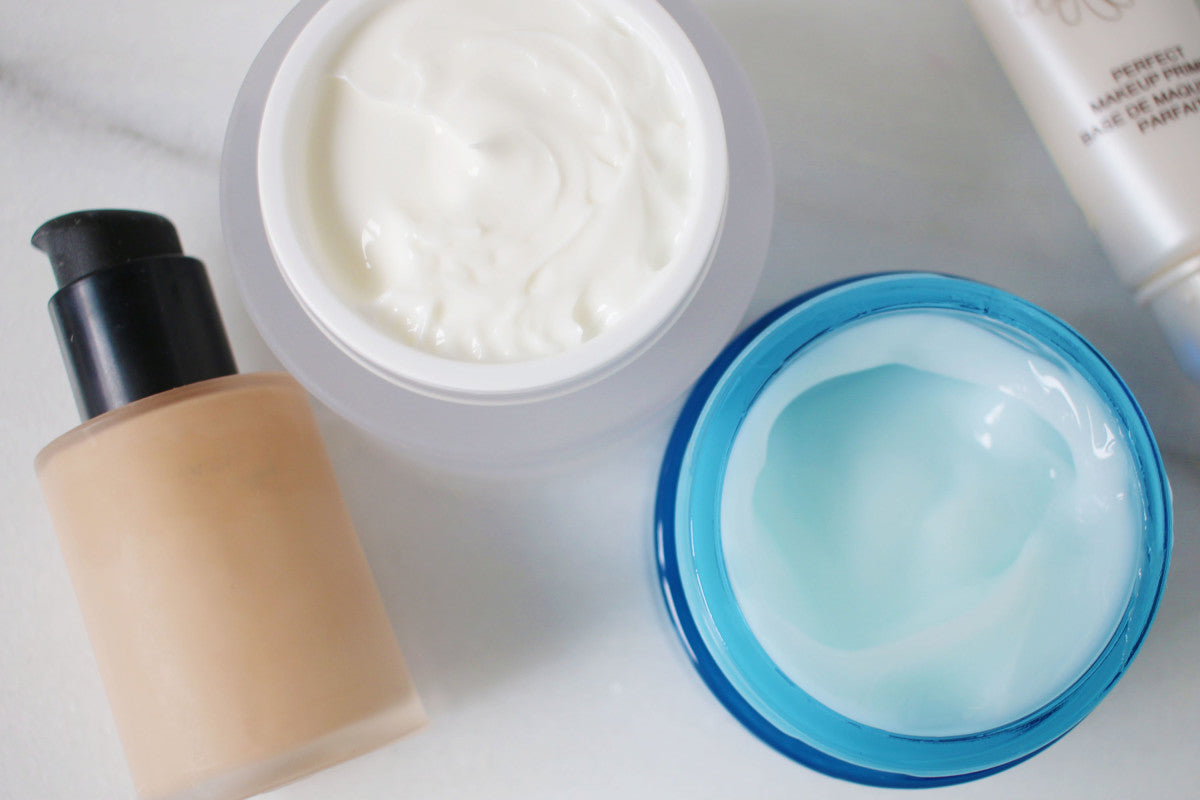
These polymers are used in many cosmetic formulations as conditioning or softening agents because they have a very lightweight texture, help make products easier to apply, and also temporarily and significantly improve the appearance of hair and skin, making them look very healthy.

However, as I mentioned earlier, this is only a temporary visual effect that has negative consequences, which I will tell you about later.
With that in mind, here are some reasons why silicones are so widely used in both hair and skin care products.
For example, in hair care, silicones make hair easier to style, adding volume and shine. They also smooth the cuticles, leaving hair feeling much silkier.

In hairstyling products, silicone is used to protect hair from blow-dryers, straighteners, and hair dyes, among other things. This is because it is an inert substance that is stable at high temperatures.
As for the skin, in makeup, silicones extend the product's wear time, leaving the skin feeling much smoother and more hydrated, disguising pores and filling in wrinkles, and making it look very moisturized.
What negative effects can using silicones cause?
So far, we have explained what silicones are and why they are used in cosmetics. Now we will discuss the negative effects of using these substances on our hair and skin.
First, when we apply a product containing silicone to our hair (shampoo, conditioner, hair mask, etc.), it creates a coating that prevents the scalp from regenerating naturally. Also, if this substance is not properly removed from our hair, it can lead to dandruff, frizz, dehydration, and hair loss, among other problems.
 When applying products containing silicone to the skin, such as makeup, we should bear in mind that if we use them for a prolonged period, these substances may prevent the proper absorption of nutrients the skin needs, causing breakouts in more sensitive skin.

It is also worth noting that silicones can have negative effects not only on our hair and skin, but also on the environment, since they are non-biodegradable and cannot break down naturally.
Why are they used so widely in cosmetics?
Silicone consumption has grown dramatically because silicones are inexpensive and very easy to use in cosmetic formulations. The highest consumption was recorded in China, Western Europe, and North America.
The global market for siloxanes (silicones) was estimated to exceed $19 billion by 2017 (Chemical Economics Handbook, 2013; Frust, 2014; Mojsiewicz-Pieńkowska, 2015). These figures suggest that this is a very significant sector of the economy in many countries.
Siloxanes are an important subject of research because they are widely used not only by adults and children, but also by infants.
Currently, almost 50% of new skin care products contain at least one type of silicone (Schalau and Ulman, 2009). Since siloxanes differ in particle size, molecular weight, shape, and physicochemical properties, this study discusses their direct effect on the safety or risk of application.

Americans assume that personal care products currently on the market have been tested or approved by the federal government. However, for the most part, they are unregulated. In fact, it has been more than 80 years since Congress last updated the federal law designed to ensure that personal care products are safe. The Food and Drug Administration does not even require basic safety testing of personal care product ingredients before they are used.
 Although other countries have taken steps to protect their citizens from chemicals linked to cancer and reproductive harm, the FDA lacks the basic tools needed to ensure the safety of cosmetics and other personal care products.
Different names for the same plastic:
Dimethicone can be listed under many names. Here are some:
- DIMETHICONE.
- DIMETHICONE COPOLYOL.
- DIMETHYL SILICONE.
- DIMETHYLSILOXANE.
- POLY(OXYETHYLENE OXYPROPYLENE) COPOLYMER.
- ETHOXYLATED.
- PROPOXYLATED SILICONE OIL.
- HIGHLY POLYMERIZED METHYL POLYSILOXANE.
- METHYL POLYSILOXANE.
- POLY[OXY(DIMETHYLSILYLENE)].
- A -(TRIMETHYLSILYL)-W -METHYL-.
- SILICONE L-45
- SILOXANES AND SILICONES.
- DIME.
- HYDROXYTERMINATED.
- ETHOXYLATED PROPOXYLATED.

It is suspected to be an environmental toxin and is persistent or bioaccumulative.
The most common ingredient was water. However, some of the products contained potentially hazardous ingredients, including parabens, which are associated with endocrine disruption; chemicals linked to reproductive harm and carcinogenicity, such as hydroquinone; and several potent allergens.
It is worth noting that silicone gives the skin a false sense of nourishment, shine, and hydration. Here's an example to help you understand: it's like saying you have healthy nails because you put a layer of silicone gel on them. They look beautiful, long, and strong, but do you think your nails really are healthy, or does the acrylic layer on top simply look good?

Also, all cosmetics containing dimethicone under any of its names or forms are likely to contain other substances that are just as harmful as, or even more harmful than, silicone, both to your skin and your health (including your hormones).
It is worth trying something different for both our health and our beauty. I guarantee that if we turn to nutrients from Mother Nature, we will have amazing skin and better health, and we will also have a healthier planet Earth.

Written by jessica wellness

Leave a comment
This site is protected by hCaptcha and the hCaptcha Privacy Policy and Terms of Service apply.